



How and why a nonprofit will launch a spacecraft to Alpha Centauri
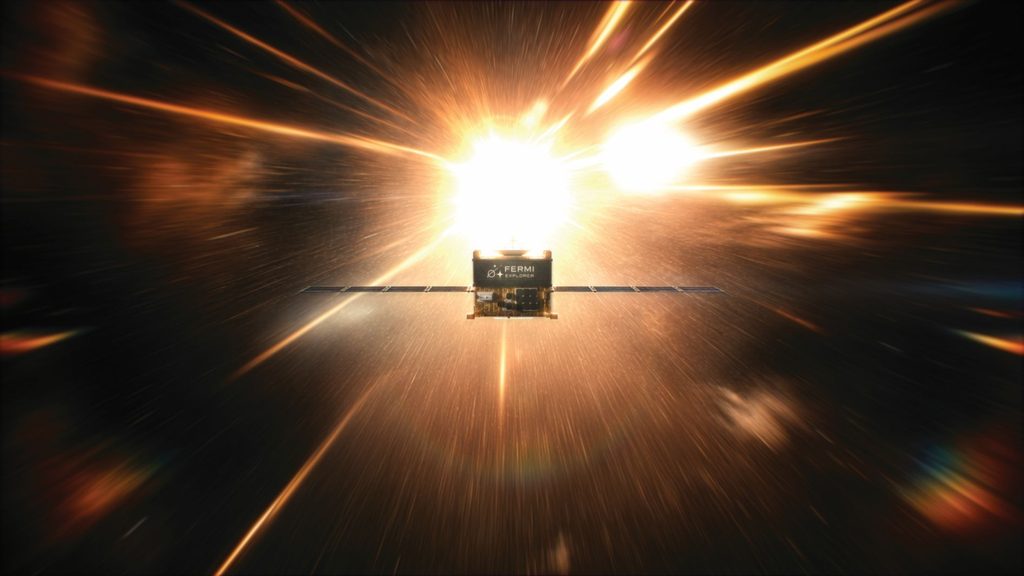
(Image: Fermi Explorer)
Nonprofit organisation Fermi Explorer wants to send a spacecraft to our nearest star system, Alpha Centauri, as soon as 2029, writes Chris Young. If it ever reaches its destination, it will have flown through interstellar space for 80,000 years.
The objective? To simply launch the first mission to another star. The spacecraft will also serve as a time capsule of sorts because it will carry a copy of the famous Voyager Golden Record.
“We hope to be both the first to leave and the last to arrive at Alpha Centauri,” said Philip Johnston, co-founder and president of Fermi Explorer. “None of us will be here when this journey ends and that is the point. It’s about taking the first achievable step and inspiring future generations to keep pushing beyond the limits we inherited.”
The Fermi Explorer initiative is designing its spacecraft around existing electric propulsion technology. The team set out their goals in September: the spacecraft should cover at least 99% of the distance to Alpha Centauri within 80,000 years; it should have at least a 1 kg, 10 x 10 x 10 cm payload; should cost less than US$15 million; and it should launch by 2029.
The Fermi Explorer team worked with a new physical AI lab, called Physical Super Intelligence, to determine the ‘perihelion pump’ manoeuvre they should use to send their spacecraft on its way to Alpha Centauri.
If future technologies do make it possible to fly to our nearest star at velocities nearing the speed of light, they could overtake Fermi Explorer and reach our nearest star many lifetimes before the first mission sent to another star.
UPCOMING EVENTS